Inpatient Wellness Center Programs for Structured Care lay the foundation for comprehensive treatment, offering a structured approach that ensures patients receive the care they need. As we delve into the intricacies of these programs, a world of tailored interventions and multidisciplinary support unfolds, promising a holistic healing journey for individuals seeking recovery.
The following paragraphs will delve deeper into the various aspects of inpatient wellness center programs, shedding light on therapeutic modalities, staffing dynamics, personalized treatment plans, and more.
Overview of Inpatient Wellness Center Programs for Structured Care
Inpatient wellness center programs are intensive treatment programs designed to provide structured care for individuals with various mental health or substance abuse issues. These programs involve round-the-clock supervision and support in a secure, therapeutic environment.Structured care is essential in a treatment setting to ensure that individuals receive consistent and comprehensive care tailored to their specific needs.
This type of care helps establish a routine, promotes accountability, and fosters a sense of stability for those undergoing treatment.The typical components of inpatient wellness center programs include individual therapy, group therapy, medication management, recreational activities, psychoeducation, and aftercare planning.
These components work together to address the physical, emotional, and psychological aspects of a person's well-being.The benefits of structured care in an inpatient setting are numerous. Patients receive consistent monitoring and support from a multidisciplinary team of healthcare professionals, leading to better outcomes.
The structured environment also helps individuals develop coping skills, improve self-care habits, and build a strong foundation for long-term recovery.
Types of Therapeutic Modalities Offered
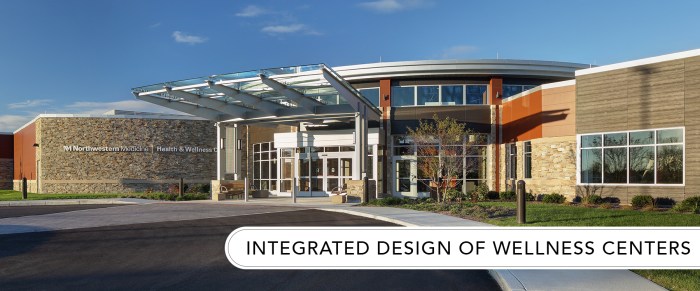
In inpatient wellness center programs, a variety of therapeutic modalities are utilized to provide structured care and support for individuals seeking treatment for mental health issues or substance abuse. These modalities are evidence-based interventions that aim to address the unique needs of each individual and promote overall well-being.
Cognitive Behavioral Therapy (CBT)
Cognitive Behavioral Therapy (CBT) is a commonly used therapeutic modality that focuses on identifying and changing negative thought patterns and behaviors. It helps individuals develop coping skills and strategies to manage stress, anxiety, and depression effectively. CBT is evidence-based and has been shown to be effective in treating a wide range of mental health conditions.
Dialectical Behavior Therapy (DBT)
Dialectical Behavior Therapy (DBT) is another popular therapeutic modality that combines cognitive-behavioral techniques with mindfulness practices. DBT is particularly effective in treating individuals with borderline personality disorder, as it helps them regulate emotions, improve relationships, and develop healthy coping mechanisms.
Group Therapy
Group therapy is a form of therapy where individuals come together in a supportive group setting to share their experiences, provide feedback, and learn from one another. Group therapy can help individuals feel less isolated, build social skills, and gain insights into their own behaviors and emotions.
It also provides a sense of community and support during the treatment process.
Experiential Therapies
Experiential therapies, such as art therapy, music therapy, and equine therapy, are creative approaches that allow individuals to express themselves non-verbally and explore their emotions in a safe and supportive environment. These therapies can be particularly beneficial for individuals who have difficulty verbalizing their feelings or experiences.
Mindfulness-Based Interventions
Mindfulness-based interventions, such as mindfulness meditation and yoga, focus on cultivating present-moment awareness and promoting relaxation and stress reduction. These interventions can help individuals develop greater self-awareness, improve emotional regulation, and enhance overall well-being.These therapeutic modalities work together to provide a comprehensive and holistic approach to treatment in inpatient wellness center programs.
By addressing the physical, emotional, and psychological aspects of an individual's well-being, these modalities contribute to structured care that promotes long-term recovery and wellness.
Staffing and Support Services
In an inpatient wellness center, a team of professionals works together to provide comprehensive care and support to patients. This multidisciplinary approach ensures that individuals receive holistic treatment tailored to their specific needs.
Roles of Different Professionals
- Psychiatrist: Responsible for diagnosing mental health conditions, prescribing medication, and overseeing treatment plans.
- Therapists (individual, group, family): Conduct therapy sessions to address emotional and behavioral issues.
- Nurses: Provide medical care, monitor patients' health, and administer medications.
- Psychologists: Offer psychological assessments, therapy, and counseling services.
Importance of a Multidisciplinary Team
A multidisciplinary team brings together professionals with diverse expertise to create a comprehensive treatment plan that addresses all aspects of a patient's well-being. By collaborating and sharing insights, these professionals can provide more effective and personalized care.
Support Services Available
- Case Management: Helps patients navigate the healthcare system and coordinate their care.
- Recreational Therapy: Engages patients in activities to promote socialization and overall well-being.
- Nutritional Counseling: Provides guidance on healthy eating habits and nutrition education.
- Support Groups: Offer a safe space for patients to connect with others facing similar challenges.
Enhancing Quality of Care
The expertise of the staff in an inpatient wellness center plays a crucial role in enhancing the quality of care provided. With specialized training and experience, professionals can offer evidence-based interventions, personalized treatment plans, and continuous support to help patients achieve optimal outcomes.
Individualized Treatment Plans
Creating individualized treatment plans for patients in an inpatient wellness center involves a comprehensive assessment of their unique needs, challenges, and goals. This process ensures that each individual receives personalized care that addresses their specific concerns and promotes overall well-being.
Tailored Treatment Plans
Individualized treatment plans are tailored to meet the specific needs of each patient by considering factors such as their medical history, mental health status, substance use patterns, and personal preferences. By taking a holistic approach to care, the treatment team can design a plan that addresses the physical, emotional, and social aspects of the individual's well-being.
- Personalized Therapy Sessions: Therapy sessions are customized to target the individual's specific issues, such as trauma, addiction, or mood disorders.
- Medication Management: Treatment plans may include medication management tailored to address the patient's unique symptoms and medication needs.
- Life Skills Training: Patients receive training in essential life skills, such as communication, stress management, and coping strategies, to help them navigate daily challenges.
By tailoring treatment plans to meet the specific needs of each individual, inpatient wellness centers can provide more effective and personalized care that leads to better outcomes.
Outcome Summary
In conclusion, Inpatient Wellness Center Programs for Structured Care epitomize the pinnacle of patient-centered treatment, providing a roadmap to wellness that is both structured and compassionate. By embracing individualized care, evidence-based therapies, and a collaborative approach, these programs pave the way for transformative healing experiences that prioritize each person's unique journey towards well-being.
Common Queries
What are inpatient wellness center programs?
Inpatient wellness center programs are intensive treatment plans that provide structured care within a residential setting, offering round-the-clock support for individuals dealing with various health issues.
How are treatment plans tailored to individual needs?
Treatment plans are customized based on each patient's unique circumstances, preferences, and goals, ensuring that interventions are personalized to maximize effectiveness and promote recovery.
Why is a multidisciplinary team important in structured care?
A multidisciplinary team brings together diverse expertise from different professionals, fostering a holistic approach to treatment that addresses the physical, emotional, and psychological needs of patients comprehensively.