
Exploring the depths of inner wellbeing and its impact on everyday life, this article delves into the intricate relationship between our inner state and our external experiences. From defining inner wellbeing to practical strategies for enhancing it, this guide aims to provide valuable insights for a balanced and fulfilling life.
As we navigate through the various components of inner wellbeing and its significance, we unravel the key practices that can promote a harmonious mind-body connection for overall wellness.
Definition of Inner Wellbeing
Inner wellbeing refers to a state of harmony and balance within oneself, encompassing mental, emotional, and spiritual aspects. It goes beyond physical health and encompasses feelings of contentment, peace, and fulfillment.
Components of Inner Wellbeing
- Emotional Health: Inner wellbeing involves recognizing and managing emotions effectively, leading to greater self-awareness and resilience in facing challenges.
- Mental Clarity: A clear and focused mind is essential for inner wellbeing, enabling better decision-making and problem-solving skills.
- Spiritual Connection: Inner wellbeing often involves a sense of purpose, meaning, and connection to something greater than oneself.
Manifestations of Inner Wellbeing
- In Relationships: Inner wellbeing can manifest in healthy and fulfilling relationships, fostering empathy, compassion, and understanding towards others.
- In Work Performance: Inner wellbeing can lead to increased productivity, creativity, and job satisfaction, as individuals feel motivated and engaged in their work.
- In Self-Care Practices: Inner wellbeing can be reflected in self-care routines, such as mindfulness meditation, yoga, or journaling, which promote overall well-being and relaxation.
Understanding the Mind-Body Connection
When it comes to inner wellbeing, the mind-body connection plays a crucial role in maintaining overall health and harmony. The relationship between our mental and physical health is intricate and deeply intertwined.
The Influence of Mental Health on Physical Wellbeing
- Mental health issues such as stress, anxiety, and depression can have a direct impact on physical health. Chronic stress, for example, can weaken the immune system and increase the risk of various health conditions.
- Studies have shown that individuals with untreated mental health disorders are more likely to experience physical ailments such as heart disease, digestive issues, and chronic pain.
- Practices like mindfulness meditation, cognitive-behavioral therapy, and yoga have been found to not only improve mental health but also positively influence physical health outcomes.
The Role of Physical Wellbeing in Mental Health
- Physical exercise has been linked to improved mood, reduced anxiety, and better stress management. Regular physical activity can boost the production of endorphins, which are known as "feel-good" hormones.
- A healthy diet rich in nutrients can support brain function and promote mental clarity. Nutritional deficiencies have been associated with conditions like depression and anxiety.
- Getting adequate sleep is essential for cognitive function and emotional well-being. Sleep deprivation can lead to mood swings, irritability, and difficulty concentrating.
Strategies for Cultivating Inner Wellbeing
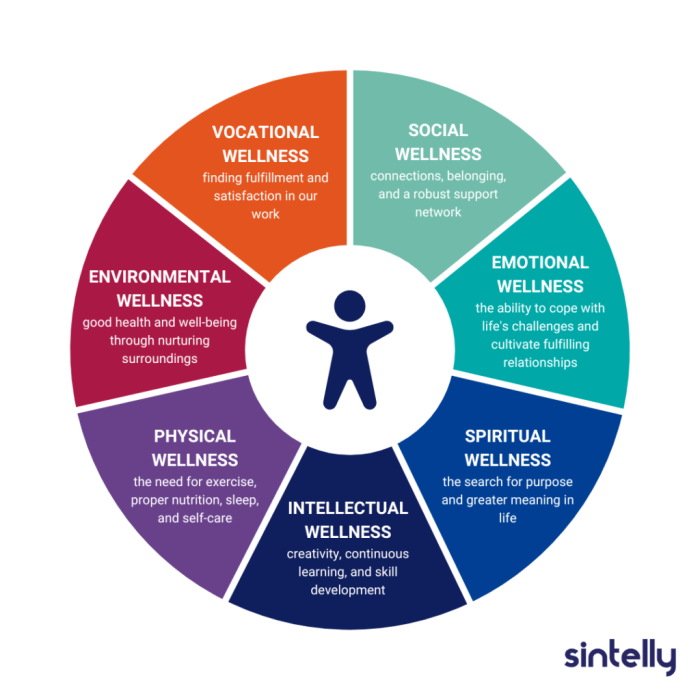
Enhancing inner wellbeing is essential for a balanced and fulfilling life. Here are some practical techniques to help you cultivate inner peace and harmony on a daily basis:
Mindfulness Practices
- Practice deep breathing exercises to calm the mind and body.
- Engage in daily meditation to increase self-awareness and reduce stress.
- Focus on the present moment to appreciate life's simple joys.
Self-Care Routines
- Establish a consistent sleep schedule to prioritize rest and rejuvenation.
- Engage in regular physical activity to boost endorphins and improve mood.
- Create a healthy diet plan to nourish your body and mind.
Gratitude Practices
- Keep a gratitude journal to reflect on positive experiences and blessings.
- Express appreciation towards others to cultivate a sense of connection and positivity.
- Practice self-compassion and forgiveness to let go of negative emotions and promote inner peace.
Impact of Inner Wellbeing on Relationships
Inner wellbeing plays a crucial role in shaping our relationships with others. When we prioritize our inner peace and harmony, it positively affects how we interact and connect with people around us.
Enhanced Communication and Empathy
When we are in a state of inner wellbeing, we are more likely to communicate effectively and empathize with others. This leads to a deeper understanding of their feelings and perspectives, fostering stronger and more meaningful relationships.
Conflict Resolution and Understanding
Inner peace allows us to approach conflicts with a calm and rational mindset, enabling us to resolve disagreements with grace and understanding. By prioritizing inner wellbeing, we can navigate challenging situations in relationships with patience and compassion.
Promoting Positivity and Support
By cultivating inner harmony, we radiate positivity and support towards others. This creates a nurturing environment where relationships can thrive and grow. When we prioritize our inner wellbeing, we become a source of strength and encouragement for those around us.
Inner Wellbeing in Challenging Times
During difficult or stressful periods, inner wellbeing plays a crucial role in helping individuals navigate through challenges with resilience and strength. Cultivating inner peace amidst adversity is essential for maintaining emotional balance and mental clarity.
The Role of Inner Wellbeing
- Inner wellbeing serves as a foundation for coping with stress and uncertainty, allowing individuals to approach challenges with a positive mindset.
- It enables individuals to regulate their emotions effectively, reducing the impact of external stressors on their mental and physical health.
- Inner wellbeing fosters a sense of self-awareness and mindfulness, helping individuals stay grounded and focused during turbulent times.
Coping Mechanisms for Maintaining Inner Peace
- Practicing meditation and deep breathing exercises can help in calming the mind and reducing anxiety levels.
- Engaging in physical activities such as yoga or exercise can release endorphins and improve overall mood.
- Connecting with supportive friends and family members for emotional support and guidance can provide comfort during challenging times.
Building Resilience through Inner Wellbeing
- Cultivating inner wellbeing can enhance one's ability to bounce back from setbacks and adapt to changing circumstances.
- It fosters a sense of optimism and hope, enabling individuals to view challenges as opportunities for growth and learning.
- By developing a strong inner foundation, individuals can face adversity with courage and determination, ultimately building resilience in the face of life's challenges.
Outcome Summary
In conclusion, understanding inner wellbeing and its role in daily life offers a roadmap to cultivating a more enriching existence. By prioritizing practices that enhance our inner balance, we pave the way for healthier relationships, resilient coping mechanisms during challenges, and a profound sense of well-being.
General Inquiries
How can inner wellbeing impact daily interactions?
Inner wellbeing plays a crucial role in shaping our responses and behaviors in various social situations. When we prioritize our inner balance, we are better equipped to engage authentically and positively with others.
What are some simple self-care routines to enhance inner wellbeing?
Practicing gratitude, engaging in regular physical activity, maintaining a healthy diet, and setting boundaries for personal time are effective self-care routines that can contribute to inner wellbeing.
Can inner wellbeing help in building resilience?
Absolutely. Cultivating inner wellbeing through mindfulness practices and self-care routines equips individuals with the tools to navigate challenges with resilience, adaptability, and a positive outlook.