Exploring Pfizer Side Effects in a Medical Context delves into the realm of potential outcomes post-vaccination, shedding light on the nuances between mild and severe effects. This comprehensive guide aims to equip readers with valuable insights into the world of vaccine side effects, ensuring a well-rounded understanding of this important topic.
Overview of Pfizer Side Effects
The Pfizer-BioNTech COVID-19 vaccine has been widely administered to combat the spread of the virus. Like any medication, the vaccine may have side effects, which can vary from person to person.
Common Side Effects
- Pain, redness, or swelling at the injection site
- Fatigue
- Headache
- Muscle pain
- Chills
- Fever
- Nausea
Difference between Mild and Severe Side Effects
- Mild side effects are common and usually resolve on their own within a few days. These may include pain at the injection site, fatigue, or mild fever.
- Severe side effects are rare but may require medical attention. These can include difficulty breathing, swelling of the face or throat, rapid heartbeat, or severe dizziness.
Statistics on Side Effects Post-Pfizer Vaccination
According to clinical trials, around 84% of individuals reported at least one side effect after receiving the Pfizer vaccine. The majority of these side effects were mild to moderate in severity.
Immediate Side Effects
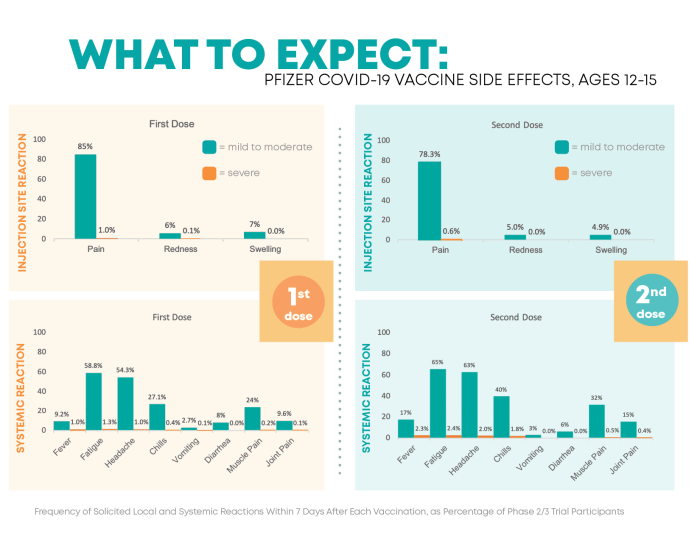
Upon receiving the Pfizer vaccine, some individuals may experience immediate side effects that can manifest within hours of administration. These side effects are typically mild and temporary, lasting for a short duration after vaccination.
Common Immediate Side Effects
- Pain or swelling at the injection site
- Fatigue
- Headache
- Muscle pain
- Chills
- Fever
It is important to note that these side effects are signs that the body is building immunity to the virus.
Management of Immediate Side Effects
- Rest and hydrate: Adequate rest and hydration can help alleviate symptoms.
- Over-the-counter medication: Pain relievers such as acetaminophen or ibuprofen can be used to manage fever and discomfort.
- Contact healthcare provider: If symptoms persist or worsen, it is advisable to seek medical advice.
Long-Term Side Effects
When it comes to the Pfizer vaccine, there have been ongoing studies and monitoring to assess any potential long-term side effects that may arise after vaccination. These long-term effects are crucial to understand in order to ensure the safety and efficacy of the vaccine.
Monitoring and Research
Ongoing research and monitoring are being conducted to track any long-term side effects associated with the Pfizer vaccine. This includes comprehensive studies to evaluate the safety and effectiveness of the vaccine over an extended period of time.
Comparison Across Age Groups
- Younger Age Groups: Studies have shown that younger individuals may experience different long-term side effects compared to older age groups. These effects are being closely monitored to ensure the overall safety of the vaccine for all age ranges.
- Older Age Groups: Older individuals may have unique long-term side effects due to age-related factors. Research is ongoing to understand how the vaccine impacts this demographic in the long run.
Allergic Reactions
Allergic reactions to the Pfizer vaccine can vary in severity and manifestation. It is essential to understand the difference between mild and severe allergic reactions and how to manage them effectively post-vaccination.
Common Allergic Reactions
- Skin rash or hives
- Itching
- Swelling of the face, lips, or tongue
- Shortness of breath
- Runny or stuffy nose
Mild vs. Severe Allergic Reactions
Mild allergic reactions may include symptoms like a mild rash or itching, which can often be managed with over-the-counter antihistamines. On the other hand, severe allergic reactions, known as anaphylaxis, can cause difficulty breathing, swelling of the throat, rapid heartbeat, and a drop in blood pressure.
Anaphylaxis is a medical emergency and requires immediate treatment.
Managing Allergic Reactions Post-Vaccination
If you experience any allergic reactions after receiving the Pfizer vaccine, it is crucial to seek medical attention promptly. Healthcare providers are trained to handle allergic reactions, especially severe ones like anaphylaxis. They may administer epinephrine and provide supportive care to manage symptoms effectively.
Rare Side Effects
While the Pfizer vaccine is generally safe, there have been reports of rare side effects following vaccination. It is important to understand the significance of these rare side effects in the context of overall vaccine safety.
Neurological Side Effects
- Guillain-Barré Syndrome: A rare neurological disorder where the body's immune system attacks the nerves. Symptoms include muscle weakness and paralysis.
- Transverse Myelitis: Inflammation of the spinal cord leading to weakness, numbness, and in severe cases, paralysis.
Cardiovascular Side Effects
- Myocarditis: Inflammation of the heart muscle which can cause chest pain, shortness of breath, and abnormal heart rhythms.
- Pericarditis: Inflammation of the lining around the heart, leading to chest pain and discomfort.
Other Rare Side Effects
- Bell's Palsy: Temporary weakness or paralysis of the facial muscles.
- Blood Clots: Rare cases of blood clots, particularly in combination with low platelet levels.
Concluding Remarks
In conclusion, Pfizer Side Effects Explored in a Medical Context offers a holistic view of the impact of the vaccine on individuals, emphasizing the importance of informed decision-making when it comes to healthcare choices. Stay informed, stay safe.
Common Queries
What are the most common side effects of the Pfizer vaccine?
The most common side effects include soreness at the injection site, fatigue, and mild fever, which typically subside within a few days.
Are there any long-term side effects associated with the Pfizer vaccine?
Long-term side effects are still being monitored and researched, with current data suggesting no significant concerns. Individuals are advised to consult healthcare professionals for the latest information.
How do healthcare professionals manage allergic reactions post-Pfizer vaccination?
Healthcare professionals follow established protocols for managing allergic reactions, which may involve immediate treatment and monitoring to ensure the individual's well-being.