Inner Wellbeing and Emotional Balance in Modern Life sets the stage for this enthralling narrative, offering readers a glimpse into a story that is rich in detail and brimming with originality from the outset.
As we delve deeper into the complexities of inner wellbeing and emotional balance in the context of modern life, we uncover a tapestry of factors that shape our well-being and happiness.
Inner Wellbeing and Emotional Balance Overview
Inner wellbeing and emotional balance are crucial aspects of a person's overall health and happiness, especially in the fast-paced and often stressful modern life we lead. Inner wellbeing refers to a state of harmony and contentment within oneself, encompassing mental, emotional, and spiritual wellness.
Emotional balance, on the other hand, pertains to the ability to manage and regulate one's emotions effectively, leading to stability and resilience in the face of challenges.
Factors Contributing to Inner Wellbeing and Emotional Balance
Various factors play a significant role in shaping our inner wellbeing and emotional balance:
- Healthy Relationships: Positive connections with others can provide support, love, and a sense of belonging, promoting emotional stability.
- Self-Care Practices: Engaging in activities that nurture the mind, body, and spirit, such as exercise, meditation, and adequate rest, can enhance inner wellbeing.
- Emotional Awareness: Being in tune with one's feelings and emotions allows for better understanding and management of them, contributing to emotional balance.
- Mindfulness: Practicing mindfulness helps cultivate present-moment awareness and acceptance, reducing stress and fostering inner peace.
Importance of Maintaining Inner Wellbeing and Emotional Balance
It is vital to prioritize inner wellbeing and emotional balance for several reasons:
-
Improved Mental Health:
By taking care of our inner selves, we can reduce the risk of anxiety, depression, and other mental health issues.
-
Enhanced Relationships:
When we are emotionally balanced, we can communicate effectively, resolve conflicts, and build healthier connections with others.
-
Increased Resilience:
Inner wellbeing and emotional balance equip us with the tools to navigate life's ups and downs with grace and strength.
-
Overall Happiness:
By fostering inner peace and emotional stability, we can experience a deeper sense of fulfillment and joy in our lives.
Challenges in Achieving Inner Wellbeing and Emotional Balance
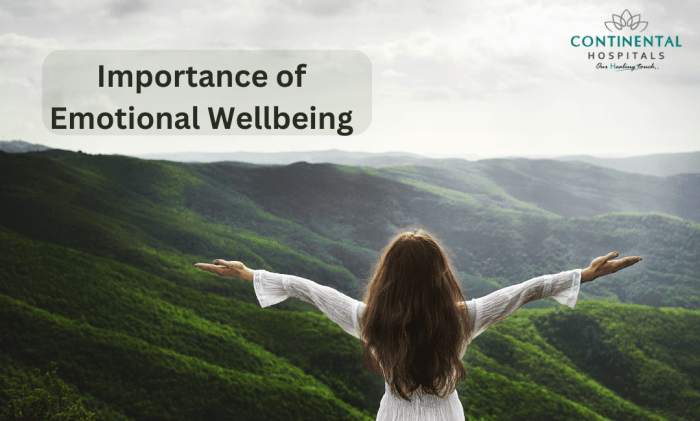
Maintaining inner wellbeing and emotional balance in today's fast-paced world can be a daunting task for many individuals. The constant demands of work, family, social obligations, and personal responsibilities can often lead to stress and overwhelm, making it challenging to prioritize self-care and mental health.
Let's explore some common challenges faced by individuals in this regard and how they impact overall wellbeing.
Impact of Stress
Stress is a significant factor that can hinder inner wellbeing and emotional balance. The pressures of meeting deadlines, handling conflicts, and managing multiple responsibilities can lead to chronic stress, which negatively affects mental health. This constant state of stress can manifest in symptoms such as anxiety, irritability, fatigue, and difficulty concentrating, making it hard to find peace and emotional stability.
Impact of Technology
In today's digital age, technology plays a crucial role in our lives, but it can also contribute to challenges in achieving inner wellbeing and emotional balance. Constant connectivity, social media comparison, and information overload can lead to feelings of inadequacy, loneliness, and a distorted sense of reality.
The constant bombardment of notifications and messages can disrupt mindfulness and inner peace, making it difficult to disconnect and unwind.
Impact of Societal Pressures
Societal expectations, cultural norms, and peer pressure can also impact inner wellbeing and emotional balance. The pressure to succeed, meet certain standards, or conform to societal norms can create feelings of insecurity, self-doubt, and inadequacy. This external validation seeking behavior can take a toll on mental health, leading to a lack of self-acceptance, confidence, and overall emotional stability
Strategies for Cultivating Inner Wellbeing
When it comes to cultivating inner wellbeing and emotional balance, there are several practical strategies and techniques that can be incredibly beneficial. These strategies often involve mindfulness, meditation, self-care, and healthy habits that promote a sense of inner peace and harmony.
The Role of Mindfulness
Mindfulness is a powerful practice that involves being fully present in the moment, without judgment. By cultivating mindfulness through techniques such as deep breathing, body scans, or mindful walking, individuals can learn to manage their thoughts and emotions more effectively.
This practice can help reduce stress, anxiety, and promote a greater sense of inner calm.
The Power of Meditation
Meditation is another effective way to cultivate inner wellbeing. Regular meditation practice can help improve focus, reduce negative emotions, and enhance overall emotional balance. Techniques such as loving-kindness meditation, body scan meditation, or mindfulness meditation can be particularly beneficial in promoting inner peace.
The Importance of Self-Care
Self-care is essential for maintaining inner wellbeing. Taking time to prioritize self-care activities such as exercise, healthy eating, adequate sleep, and relaxation can significantly impact one's emotional balance. By caring for oneself both physically and mentally, individuals can better cope with life's challenges and stressors.
Cultivating Healthy Habits
Incorporating healthy habits into daily routines can also play a vital role in promoting inner peace and emotional balance. Engaging in activities such as regular exercise, spending time in nature, connecting with loved ones, and practicing gratitude can all contribute to a greater sense of wellbeing.
These habits can help individuals feel more grounded, resilient, and emotionally stable.
Seeking Professional Help for Inner Wellbeing
Seeking professional help, such as therapy or counseling, is crucial for addressing inner wellbeing and emotional balance issues. These professionals are trained to provide support and guidance in navigating emotional challenges and achieving a sense of balance in life.
Benefits of Therapy for Inner Wellbeing
- Therapists can help individuals identify and understand their emotions, leading to better self-awareness.
- Therapy provides a safe and confidential space for individuals to express their thoughts and feelings without judgment.
- Professional help can offer personalized coping strategies and tools to manage stress, anxiety, and other emotional difficulties.
- Therapists can assist in developing healthy communication skills and improving relationships with others.
Finding the Right Therapist or Mental Health Professional
- Research different therapy approaches and find a therapist who specializes in the areas you want to work on.
- Ask for recommendations from trusted sources, such as friends, family, or healthcare providers.
- Consider the therapist's credentials, experience, and approach to therapy to ensure a good fit.
- Trust your instincts and choose a therapist with whom you feel comfortable and understood.
Closure
In conclusion, Inner Wellbeing and Emotional Balance in Modern Life encapsulates the essence of maintaining a healthy and harmonious internal state amidst the challenges of contemporary living.
Detailed FAQs
What are some practical strategies for cultivating inner wellbeing?
Some practical strategies include regular mindfulness practices, engaging in activities that bring joy, maintaining a healthy lifestyle, and seeking professional help when needed.
How can one identify factors that contribute to inner wellbeing and emotional balance?
Factors such as self-awareness, positive relationships, a sense of purpose, and effective stress management play crucial roles in fostering inner wellbeing and emotional balance.
Is seeking professional help necessary for addressing inner wellbeing issues?
Seeking professional help, such as therapy or counseling, can be beneficial for individuals experiencing persistent emotional challenges or imbalances that impact their well-being.