Delving into Ignite Health and Wellness: Trends in Preventive Care, this introduction immerses readers in a unique and compelling narrative, with a casual formal language style that is both engaging and thought-provoking from the very first sentence.
Overview of Preventive Care in Health and Wellness
Preventive care in healthcare refers to measures taken to prevent illnesses, injuries, or other health conditions before they occur. It focuses on keeping individuals healthy and reducing the risk of developing chronic diseases.
Importance of preventive care lies in its ability to identify potential health issues early on, allowing for timely interventions and treatments. By addressing risk factors and promoting healthy lifestyle choices, preventive care plays a crucial role in maintaining overall health and well-being.
Role of Preventive Care in Promoting Overall Well-being
- Regular health screenings and check-ups can detect issues early, increasing the chances of successful treatment.
- Immunizations help prevent the spread of infectious diseases, protecting both individuals and communities.
- Education on healthy habits such as proper nutrition, exercise, and stress management empowers individuals to take control of their health.
- Preventive care can reduce healthcare costs in the long run by avoiding expensive treatments for advanced diseases.
Trends in Preventive Care
Preventive healthcare has evolved over the years, with new trends emerging to improve overall wellness and reduce the risk of chronic diseases. These trends focus on proactive measures to maintain health rather than just treating illnesses.
Innovative Preventive Care Approaches
One of the current trends in preventive care is personalized medicine, which uses genetic information to tailor treatment plans to individual needs. This approach allows for targeted interventions that are more effective and efficient.
- Telemedicine and remote monitoring have also gained popularity, enabling patients to access healthcare services from the comfort of their homes. This not only increases convenience but also promotes regular check-ups and early detection of health issues.
- Another innovative approach is the use of wearable technology and health apps to track vital signs, activity levels, and overall health metrics. This data can help individuals make informed decisions about their lifestyle and monitor their progress towards health goals.
- Furthermore, integrative medicine combines traditional healthcare practices with alternative therapies such as acupuncture, yoga, and mindfulness techniques. This holistic approach addresses the physical, emotional, and mental aspects of health for comprehensive well-being.
Comparison with Traditional Preventive Care Methods
Traditional preventive care methods often focused on routine screenings, vaccinations, and lifestyle modifications such as diet and exercise. While these practices are still essential, modern trends in preventive care offer a more personalized and proactive approach to health maintenance.
It is important to note that combining traditional and innovative preventive care approaches can provide a well-rounded strategy for promoting health and wellness.
Technology in Preventive Care
Technology is playing a pivotal role in revolutionizing preventive healthcare, providing innovative solutions to enhance overall wellness and disease prevention. From wearable devices to telemedicine, these advancements are reshaping the way preventive care is delivered and accessed.
Wearable Devices and Health Apps
Wearable devices such as fitness trackers and smartwatches have become increasingly popular for monitoring various health metrics, including heart rate, physical activity, and sleep patterns
Health apps complement these wearables by providing personalized insights, reminders, and health tips based on the data collected. Together, wearable devices and health apps empower individuals to take proactive steps towards preventive care by promoting healthy behaviors and lifestyle changes.
Telemedicine in Preventive Services
Telemedicine, or remote healthcare services, has become a valuable tool in delivering preventive care to individuals, especially in underserved or remote areas. Through telemedicine platforms, individuals can consult with healthcare providers, receive preventive screenings, and access educational resources from the comfort of their own homes.
This remote access to healthcare services not only increases convenience but also improves healthcare accessibility and affordability, ultimately leading to better health outcomes and early disease detection.
Integrative Approaches to Preventive Care
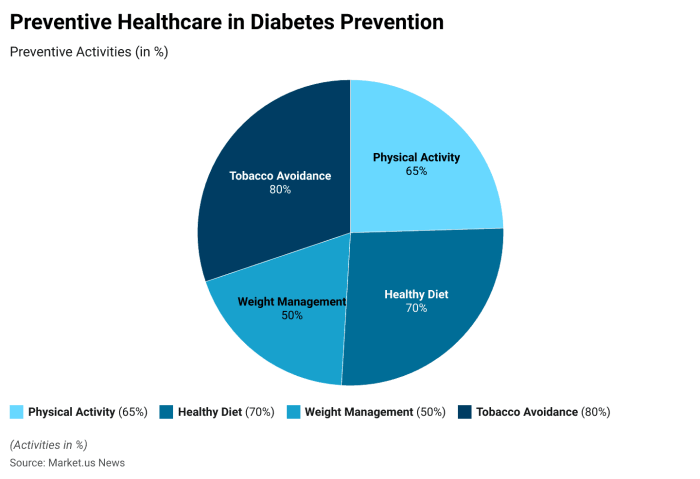
Integrative approaches to preventive care focus on combining traditional medical practices with holistic and complementary therapies to promote overall well-being and prevent illness.
Benefits of Integrating Holistic Practices
- Enhanced patient-centered care by addressing physical, emotional, and mental aspects of health.
- Reduced reliance on medications and invasive procedures by promoting natural healing methods.
- Improved quality of life by incorporating stress-reducing techniques such as meditation and yoga.
Role of Nutrition and Fitness
- Proper nutrition and regular exercise play a crucial role in preventing chronic diseases like obesity, diabetes, and heart disease.
- Healthy eating habits and physical activity help maintain a healthy weight and boost immune function.
- Personalized diet plans and fitness routines can be tailored to individual needs for optimal preventive care.
Complementary Therapies in Preventive Health Programs
- Acupuncture: Used to alleviate pain, reduce stress, and improve overall well-being.
- Chiropractic care: Focuses on spinal health and nervous system function to enhance the body's natural healing abilities.
- Herbal medicine: Utilizes plant-based remedies to support the body's immune system and promote wellness.
Conclusion
In conclusion, Ignite Health and Wellness: Trends in Preventive Care sheds light on the evolving landscape of preventive healthcare, emphasizing the importance of staying informed and proactive about one's health.
Frequently Asked Questions
What are some examples of innovative preventive care approaches?
Some innovative approaches include personalized health tracking apps, genetic testing for disease risk assessment, and virtual health consultations.
How is technology revolutionizing preventive healthcare?
Technology is enhancing preventive care through wearable devices that monitor health metrics, telemedicine services for remote consultations, and predictive analytics for early disease detection.